The Lithium Triangle: A Fragile Future in the Andes
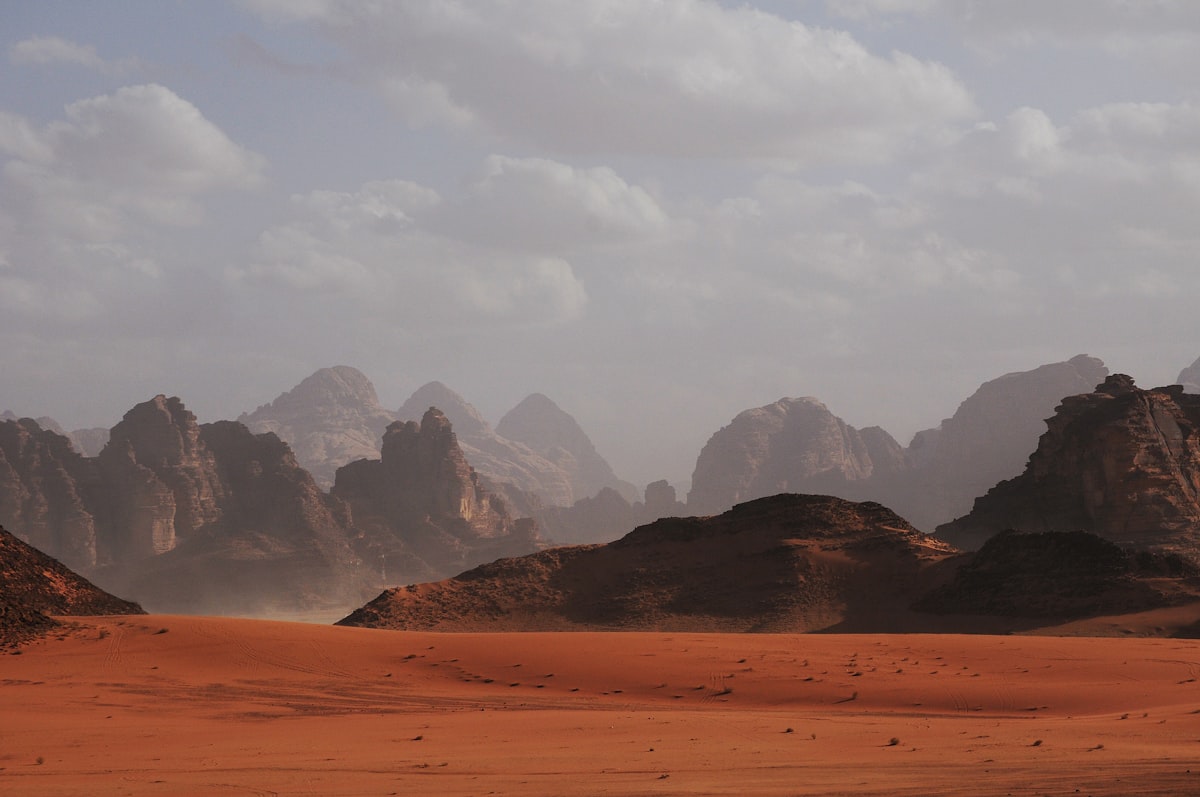
Beneath the salt flats where Argentina, Bolivia and Chile meet lies more than half of the world’s known lithium — the irreplaceable metal of the battery age. The Lithium Triangle is the geological jackpot of the energy transition, and one of its most fragile places: a high-altitude desert where flamingos breed in brine lagoons and indigenous communities have managed scarce water for millennia.
The collision is direct. The dominant extraction method pumps mineral-rich brine from beneath the salars into vast evaporation ponds, consuming water in one of the driest places on Earth. Demand for the metal, meanwhile, is projected to grow as much as tenfold by 2040.
Water is the real currency
The hydrology of the salars is only partly understood, and that uncertainty is the heart of the conflict. Mining companies argue brine is not potable water and its extraction barely touches freshwater aquifers. Communities and independent hydrologists point to falling water tables, drying wetlands and shrinking lagoons at the basin edges — changes that arrived with the pumps.
>50%
of global lithium resources in the Triangle
~2 mn L
of brine evaporated per tonne of lithium
×10
projected demand growth by 2040
They call it the white gold rush. From here it looks like our water leaving in tanker trucks of powder.
Three countries, three experiments
Chile, the established producer, is renegotiating its model around a state-led public-private framework and promises of direct lithium extraction. Bolivia holds the largest resource and has produced the least, its state monopoly long on sovereignty and short on chemistry. Argentina has thrown its provinces open to investment, becoming the world’s fastest-growing producer — and the site of its sharpest community conflicts.
A fragile future, not a foreclosed one
Better outcomes exist. Direct lithium extraction technologies promise dramatically lower water use if they scale. Genuine prior consultation — not signature-collecting — has produced agreements communities defend rather than blockade. And demand itself is negotiable: battery recycling, chemistry shifts and right-sized vehicles could soften the curve the Triangle is being asked to supply.
The energy transition will be mined somewhere. Whether it is mined justly is being decided now, on the salt flats — a test case for every critical mineral that follows.