The Heatwave That Put AI on Trial: Data Centres vs the Grid

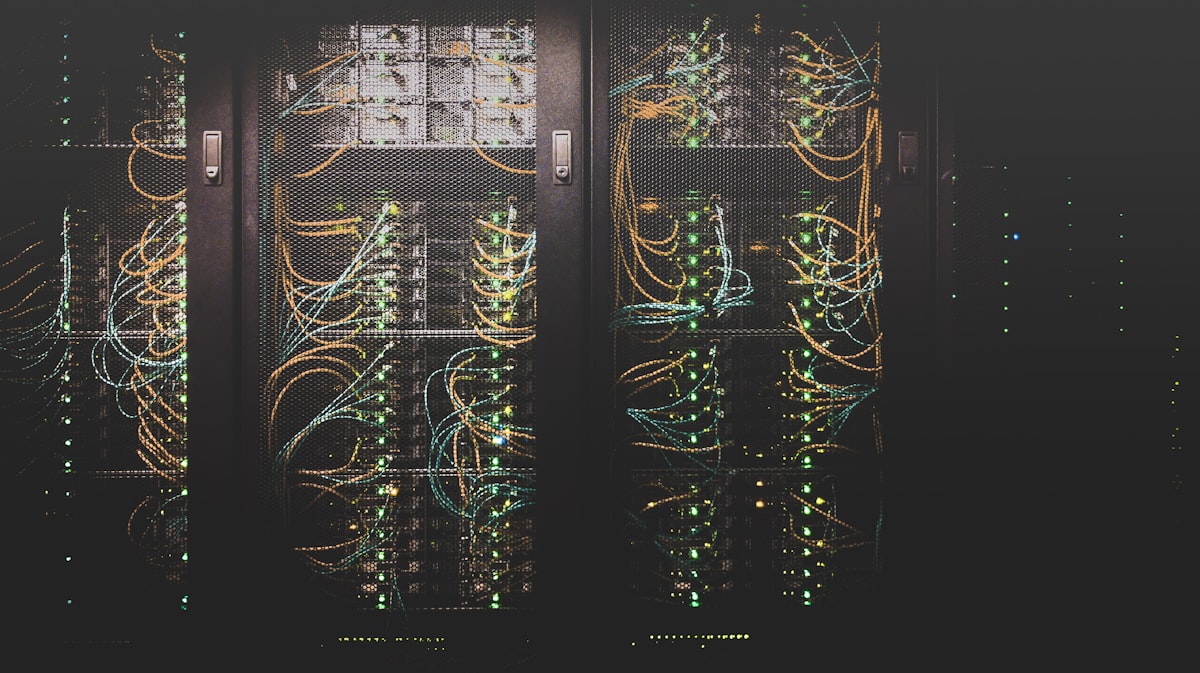
On the first days of July 2026, two of the decade’s defining forces collided in plain sight. A brutal heat dome pushed temperatures to 105°F across the eastern United States — Washington, DC broke a record that had stood since 1872 — while the power grid strained under a load it was never designed for: millions of air conditioners running flat out, plus a new class of customer that never turns off. The AI data centre.
For the first time, a major American grid operator asked the federal government for emergency authority over the machines of the artificial intelligence boom. PJM Interconnection — the largest grid operator in the country — requested that the Department of Energy be able to order data centres onto backup generators within fifteen minutes of an emergency signal. The politest possible way of saying: when it is 105 degrees, people come before models.
105°F
peak temperatures across the US East
102°F
in DC — breaking a record from 1872
2,000+
excess deaths in Europe’s parallel heatwave
The collision course, explained
Air conditioning has always driven summer demand peaks. What is new is the baseline underneath: data centres already consume more than 4% of US electricity, and analyses from Lawrence Berkeley National Laboratory project that share could approach 12% by 2028 as AI training and inference scale. The International Energy Agency expects global data centre consumption to roughly double by 2030 — approaching the current electricity use of Japan.
A heatwave stacks these loads at the worst possible moment. Chips run hot, so data centre cooling systems work hardest exactly when household air conditioners do. Grid operators from New York to the Midwest reported demand approaching or challenging all-time records in the first week of July.
The grid was built for peaks that happen a few afternoons a year. AI added a peak that never sleeps — and then summer arrived.
Who gets the power?
The PJM request is a preview of a question every industrial economy will face this decade: when electricity is scarce, who is curtailed first? Data centres argue they are critical infrastructure. Hospitals, transit systems and households have older claims. The emerging compromise — flexible contracts that pay data centres to shift or shed load during emergencies — turns the AI industry’s scale from a grid liability into a grid resource, but only if regulators demand it before the next heat dome, not during one.
Water tells the same story underground. Data centres evaporate vast volumes for cooling precisely when municipal systems are most stressed, and this month’s heatwave pushed several US utilities to publicly question expansion plans they had welcomed a year earlier.
The climate signature
None of this is weather-as-usual. A rapid attribution analysis of Europe’s parallel heatwave — which caused more than 2,000 excess deaths across the continent in under two weeks — concluded that comparable June heat would have been “virtually impossible” without human-caused warming. The heat that is stress-testing the grid is, in part, a product of the emissions the grid produces.
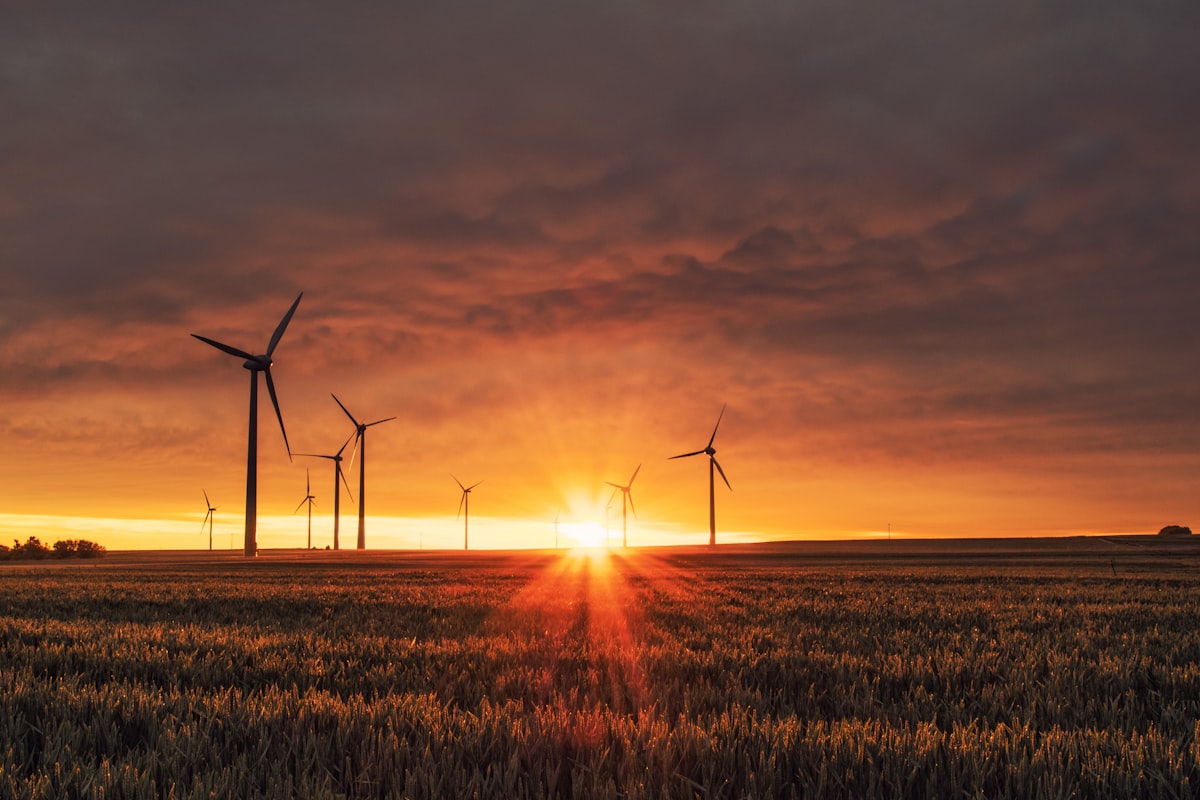
That loop is the real story of July 2026. AI’s electricity appetite can either accelerate the build-out of clean power — the industry is already the largest corporate buyer of renewables — or it can keep ageing fossil plants alive past their retirement dates, warming the summers that break the grid. Both futures are being negotiated right now, in interconnection queues and emergency dockets, while the temperature climbs.