The Rights of Rivers: A New Legal Shield
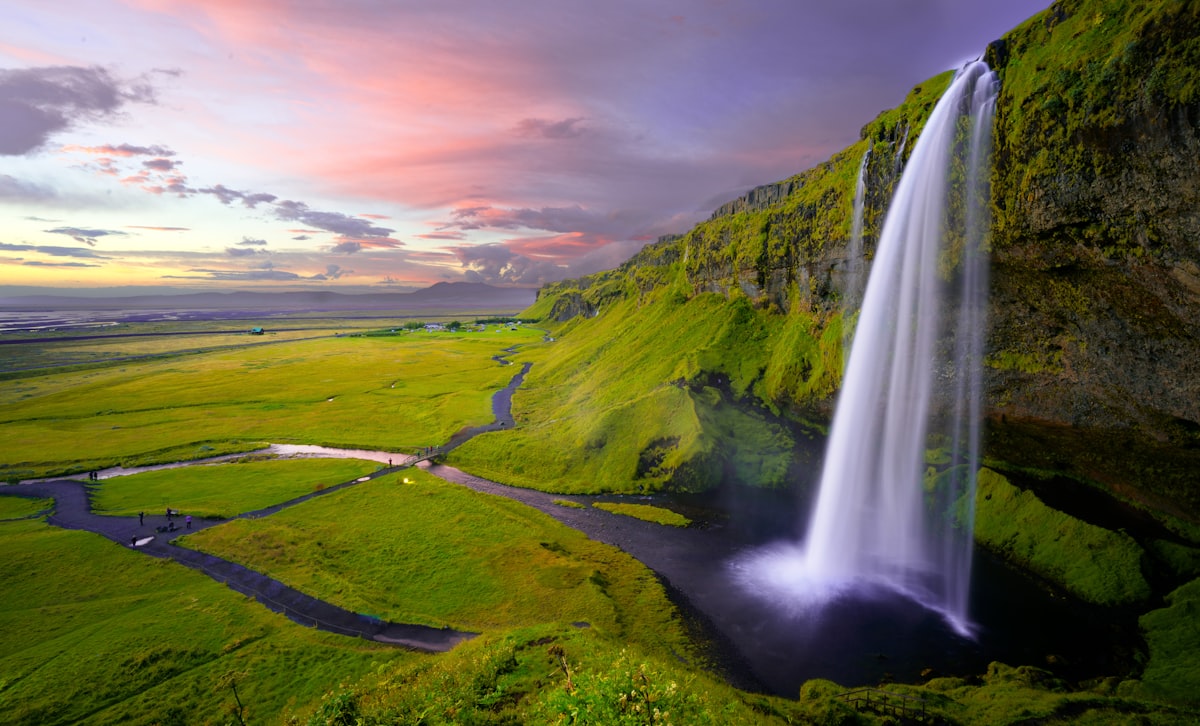
In 2017, a river became a person. New Zealand’s parliament granted the Whanganui River legal personhood — the ability to own property, incur obligations, and sue — settling the longest-running court case in the country’s history and honouring a 700-year-old Māori relationship expressed in the saying: I am the river, and the river is me.
It was not a one-off. Within months, courts in India declared the Ganges and Yamuna living entities. Colombia’s constitutional court recognized the rights of the Atrato River. Ecuador, which wrote the rights of nature into its constitution in 2008, began striking down mining permits that violated them. A new legal shield was taking shape.
From doctrine to docket
The rights-of-nature movement rests on a simple inversion. Conventional environmental law treats a river as property to be used, with pollution regulated as a matter of permits and thresholds. Rights-based law treats the river as a subject with interests of its own — to flow, to be free of pollution, to sustain the life within it — and appoints human guardians to speak for those interests in court.
The question is no longer how much harm is permissible. It is whether the river’s right to exist has been violated.
The results are becoming measurable. In Ecuador, the constitutional court’s 2021 Los Cedros ruling blocked mining concessions in a protected cloud forest and has since anchored dozens of lower-court decisions. In Colombia, the Atrato ruling forced the state to fund cleanup of illegal gold-mining mercury and gave local communities a formal guardianship role.
The hard questions
Critics raise real concerns. Who chooses the guardians, and what happens when guardians disagree? Can personhood be more than symbolic in legal systems without strong courts? And does granting rights to one river simply push extraction to the next watershed over?
The movement’s answer is that rights are a floor, not a cure — the same way human rights did not end injustice but changed what could be defended in court. More than 400 rights-of-nature initiatives now exist across 40 countries, from tribal constitutions in North America to city ordinances in Europe.
Why it matters for the climate
Healthy rivers and their basins are climate infrastructure: they store carbon in wetlands and floodplains, buffer floods and droughts, and sustain the food systems of billions. Legal personhood is proving to be one of the few tools that can halt destruction before it happens rather than pricing it afterwards. The rivers, at last, have standing.
Which rivers have legal rights?
The best-known examples so far: New Zealand’s Whanganui River, recognised as a legal entity by an act of parliament in 2017; Colombia’s Atrato River, recognised by the Constitutional Court; the Ganges and Yamuna in India, declared living entities by the Uttarakhand High Court in 2017, a ruling later stayed on appeal; all of Bangladesh’s rivers, declared legal persons by the country’s High Court in 2019; and Canada’s Magpie River (Mutehekau Shipu), granted rights by local Innu and municipal resolutions in 2021. In Europe, Spain’s Mar Menor lagoon became the first ecosystem with legal personhood in 2022.
Is there a river that is legally a person?
Yes. The Whanganui is the clearest case: its legal personality comes from a national law, the Te Awa Tupua Act, rather than a court ruling that could be overturned. The river is represented by two guardians, one appointed by the Whanganui iwi (the Māori tribes of the river) and one by the Crown, who act and speak on its behalf.
Can you own a river?
In most countries, no one owns the flowing water itself. Landowners may own the riverbed or banks along their property and hold rights to use some water, but those rights are shaped by public access and environmental law, and they vary widely by country and state. The rights-of-nature movement goes one step further: it argues the river should also have standing of its own, so it can be defended directly in court.
Rights for rivers in South Asia
Rivers in South Asia face some of the heaviest pressures anywhere: pollution, dams, sand mining and climate-driven floods. Glacier-fed rivers such as the Indus carry meltwater from the Karakoram and Himalaya, where warming is creating new hazards like glacial lake outburst floods. Whether legal rights translate into cleaner, healthier rivers there depends on what this article’s critics ask: enforcement, funding and who speaks for the river.
Frequently asked questions
Is there a river that is legally a person?
Yes. New Zealand’s Whanganui River has been a legal person under national law since 2017, represented by two guardians.
Which rivers have legal rights?
Examples include the Whanganui (New Zealand), the Atrato (Colombia), the Ganges and Yamuna (India, ruling stayed), all rivers in Bangladesh, and the Magpie River (Canada).
Get the climate stories that matter, explained, every Sunday.
One email a week: new explainers, data and free tools. No spam, unsubscribe any time.
More from climaRevolt
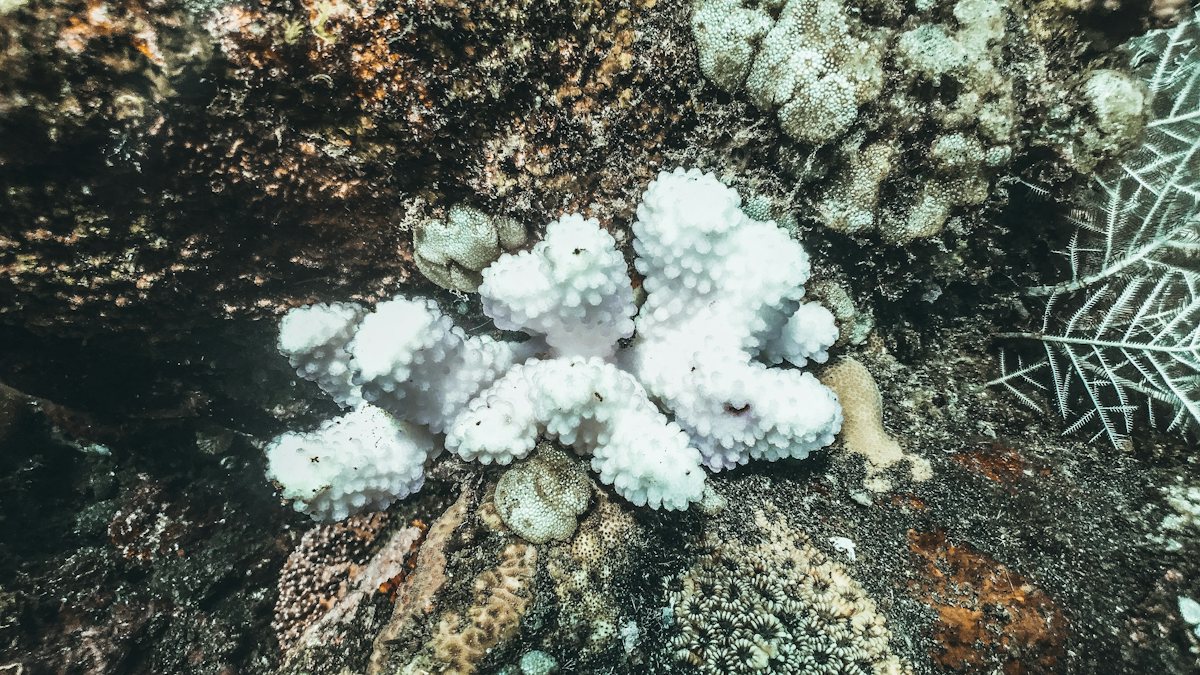
Climate Tipping Points: Which Have We Already Crossed?
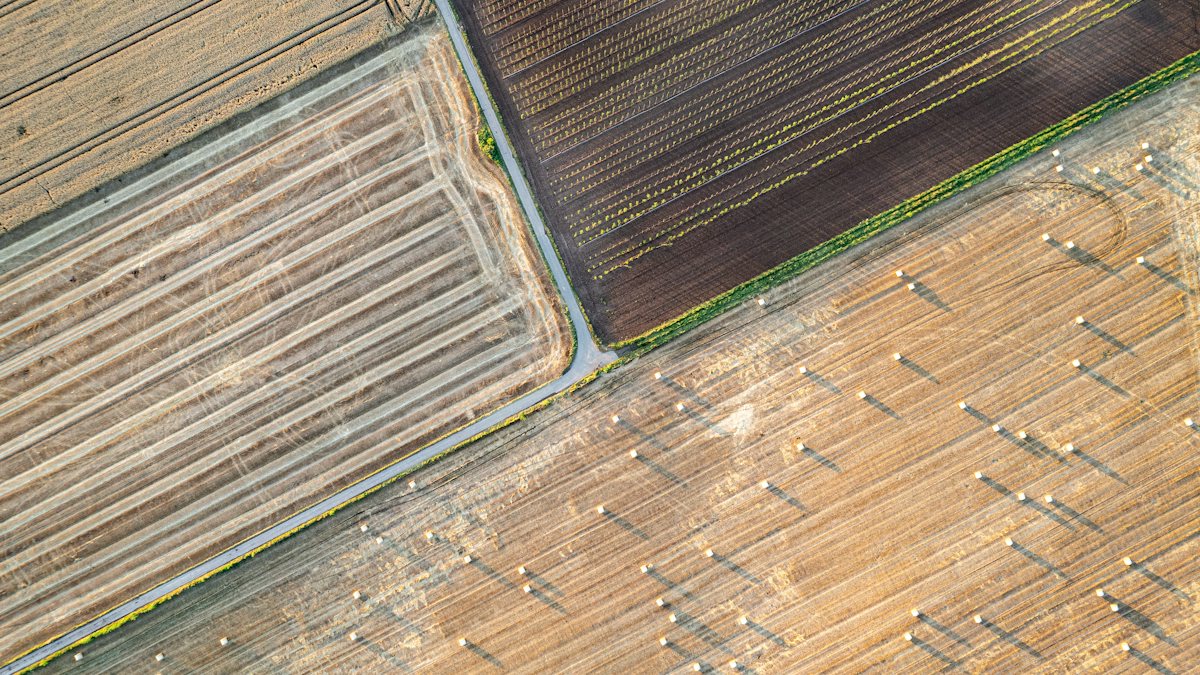
NDVI Explained: Formula, Values and Bands for Landsat 8 and Sentinel-2
What Is a GLOF? Glacial Lake Outburst Floods, Explained